How to Light a Backyard Without Wiring: The Complete No-Drill Guide
Lighting up a dark backyard used to require expensive trenching, conduit runs, and professional electrician fees. Today, learning how to light backyard without wiring allows homeowners and renters alike to create a bright, secure outdoor environment in minutes without cutting into siding or digging up landscaping.
Understanding No-Wiring Outdoor Lighting Options
!Understanding No-Wiring Outdoor Lighting Options
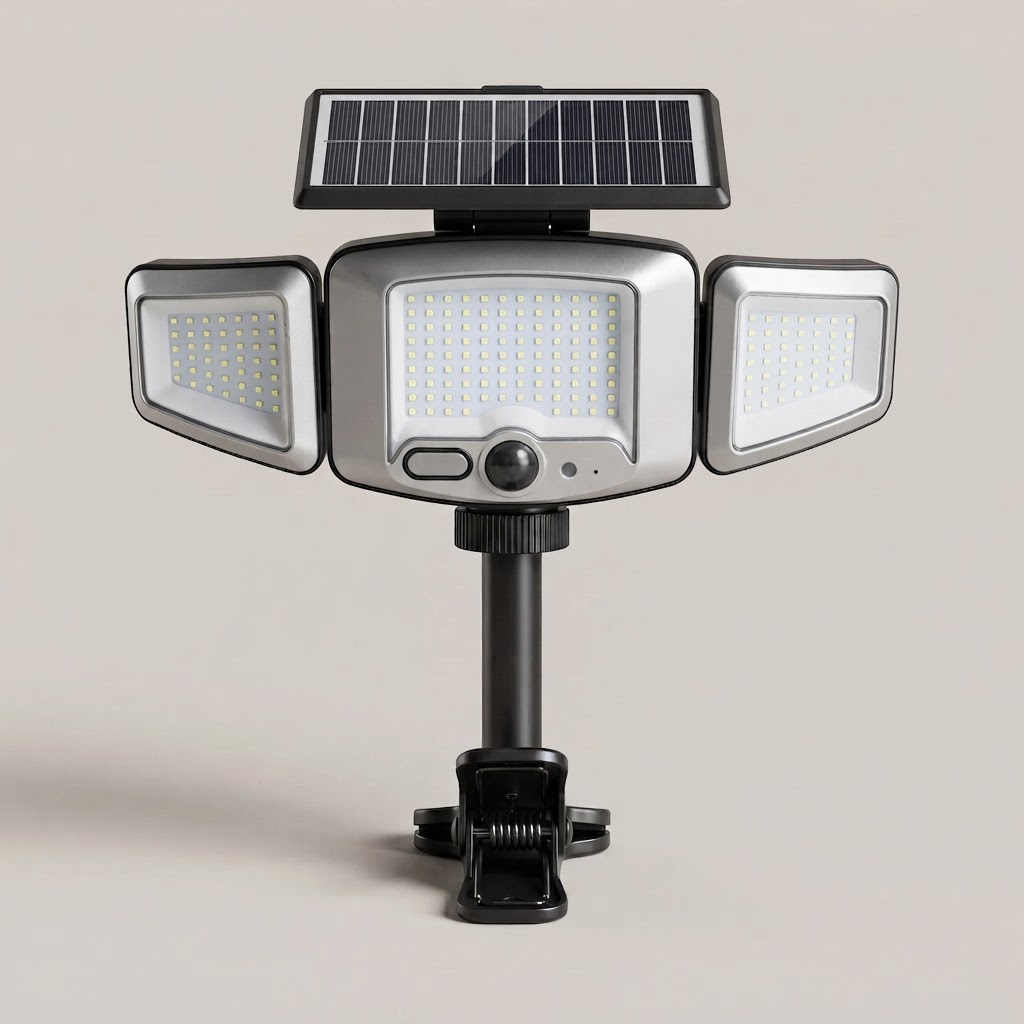
When exploring options for wireless illumination, homeowners typically choose between standalone battery-powered fixtures and solar-assisted systems. Modern solar units store energy efficiently while providing high-output illumination. Equipment like the Solar Motion Sensor Flood Light combines dual-charging options, using solar power daily alongside USB fast charging for emergency quick top-ups.
By selecting self-contained fixtures, you avoid the structural disruption of hardwired systems. This makes temporary installations ideal for patio handrails, gutter lips, or wooden fence posts. Additionally, these fixtures eliminate continuous operating costs on your utility bill.
Benefits of Solar and Wireless Backyard Illumination
!Benefits of Solar and Wireless Backyard Illumination
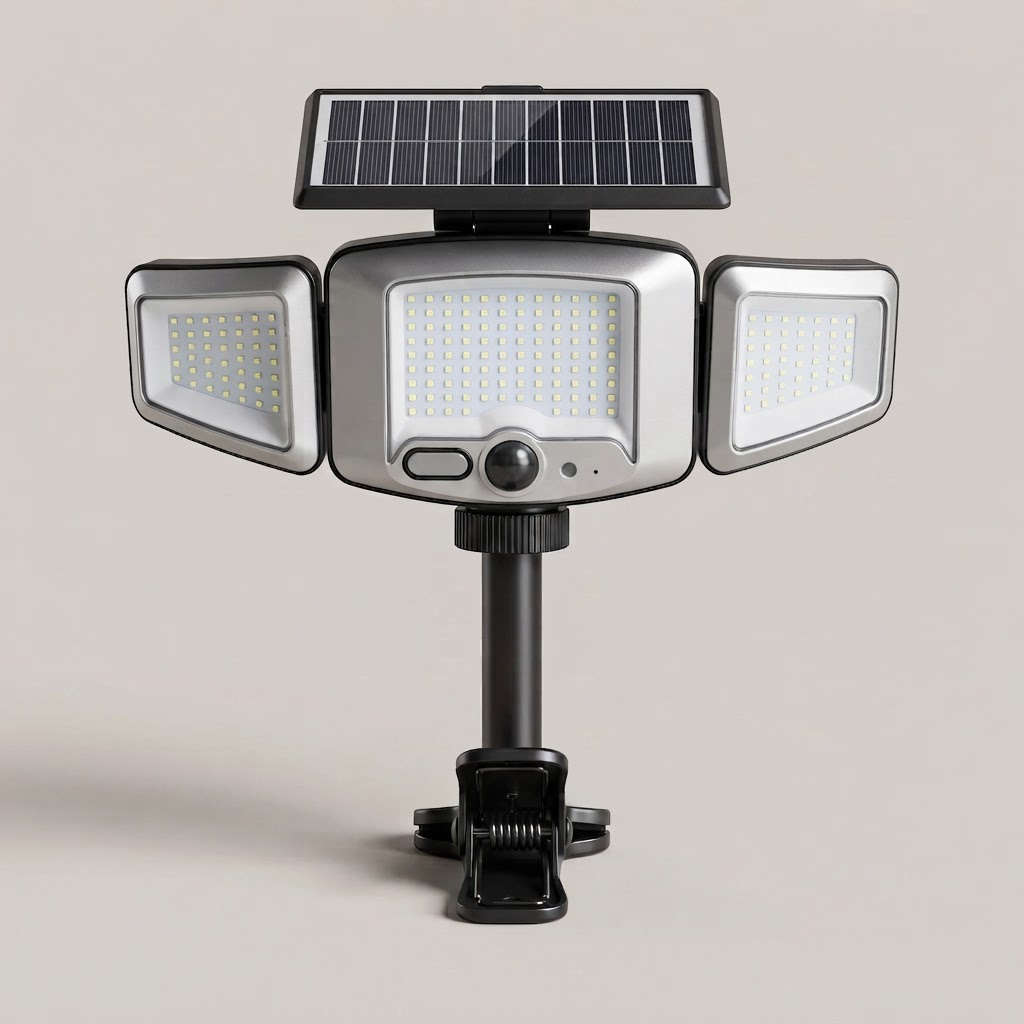
Going wireless delivers immediate practical benefits beyond initial cost savings:
- Rapid Setup: Mount units wherever light is needed without waiting for electrical permits.
- Renter Friendliness: Reposition or remove fixtures when moving without leaving permanent wall damage.
- Power Outage Resilience: Solar and battery units continue illuminating dark zones even when grid power fails.
- Flexible Positioning: Place units in remote yard corners that wired electrical runs cannot easily reach.
Strategic Lighting Zones for Safety and Ambiance
Achieving effective coverage requires placing fixtures where dark spots present safety hazards or security vulnerabilities. Key zones include perimeter fences, deck stairs, side entryways, and driveway borders.
For high-traffic or vulnerable areas, choosing hardware with three independently adjustable LED heads plus a full 360° rotating pole gives complete control over beam direction. Rather than casting light in a single direction, multi-panel heads let you illuminate a side passage and a garden path simultaneously. With a system designed so it covers up to 753 sq ft of driveway, path, yard or side passage, a single wireless fixture can illuminate areas that previously required multiple hardwired floodlights.
Temporary vs Permanent Mounting Solutions
Wireless outdoor lighting doesn't limit you to a single installation style. Depending on your property rights and structural layout, you can choose between flexible clamping and permanent bracket mounting.
Clamping mechanisms excel when attached to gutter lips, deck railings, or thin fence pickets. If fixed installation is required over a garage or shed, fixtures that also wall-mounts with the included bracket if you prefer it fixed offer long-term stability. Ensure your choice incorporates an IP65 weatherproof housing so rain, snow, and extreme temperature swings do not degrade performance.
Optimizing Power Efficiency and Battery Maintenance
Wireless lights rely heavily on intelligent energy distribution. Look for motion detection features to conserve power when spaces are unoccupied. A 100° PIR motion sensor detects movement up to 16 ft away, switching the light to full output only when activity occurs.
To ensure reliable nightly operation, balance solar intake with battery management. Dual charging: 6-8 hrs solar or 3-4 hrs USB fast charge ensures continuous operation even during overcast winter weeks. Devices powered by a 2000mAh battery runs 6-8 hours of continuous light on one charge provide reliable illumination through long nights. For extended durability, maintain your fixture according to its warranty duration not specified terms.
Related in this cluster
- 7 Renter-Friendly Ways to Light a Backyard Without Drilling
- Understanding Motion Sensor Angles for Outdoor Security
- Solar vs Battery Outdoor Lights: Which No-Wiring Setup Is Best?
- How to Mount Outdoor Lights on Fence Rails and Gutters Without Tools
- Eliminating Yard Dark Spots Without Calling an Electrician
- Frequently Asked Questions About Wireless Solar Flood Lights