Solar vs Battery Outdoor Lights: Which No-Wiring Setup Is Best?
Choosing the right wireless backyard light usually comes down to two power sources: solar panels or disposable/rechargeable batteries. Both eliminate electrician costs, but their daily operation differs significantly.
Key Differences Between Solar and Battery Lights
!Key Differences Between Solar and Battery Lights
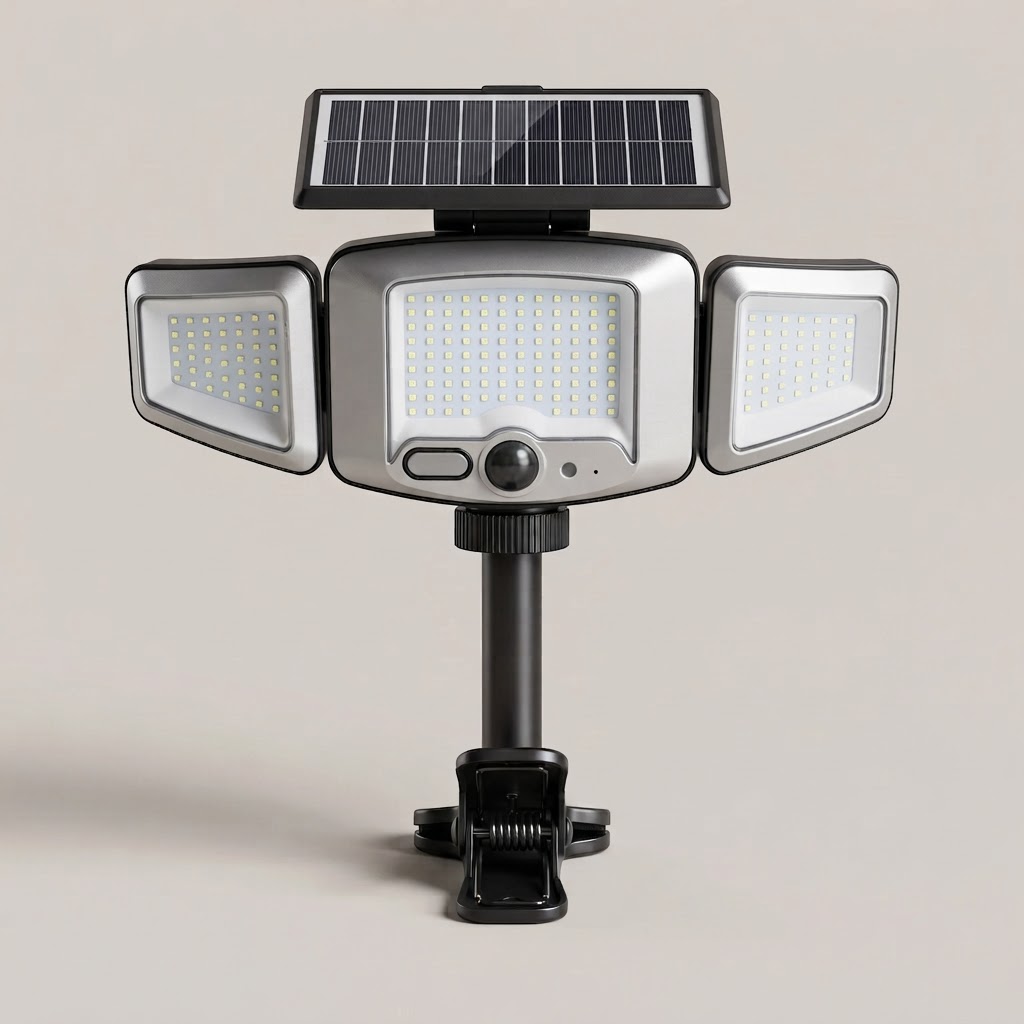
Standard battery lights rely entirely on dry-cell batteries. While they function in shady locations, changing batteries multiple times a year adds ongoing expense and hassle. Solar lights use integrated photovoltaic panels to recharge onboard batteries daily for zero-cost operation.
Maintenance and Charging Convenience
!Maintenance and Charging Convenience
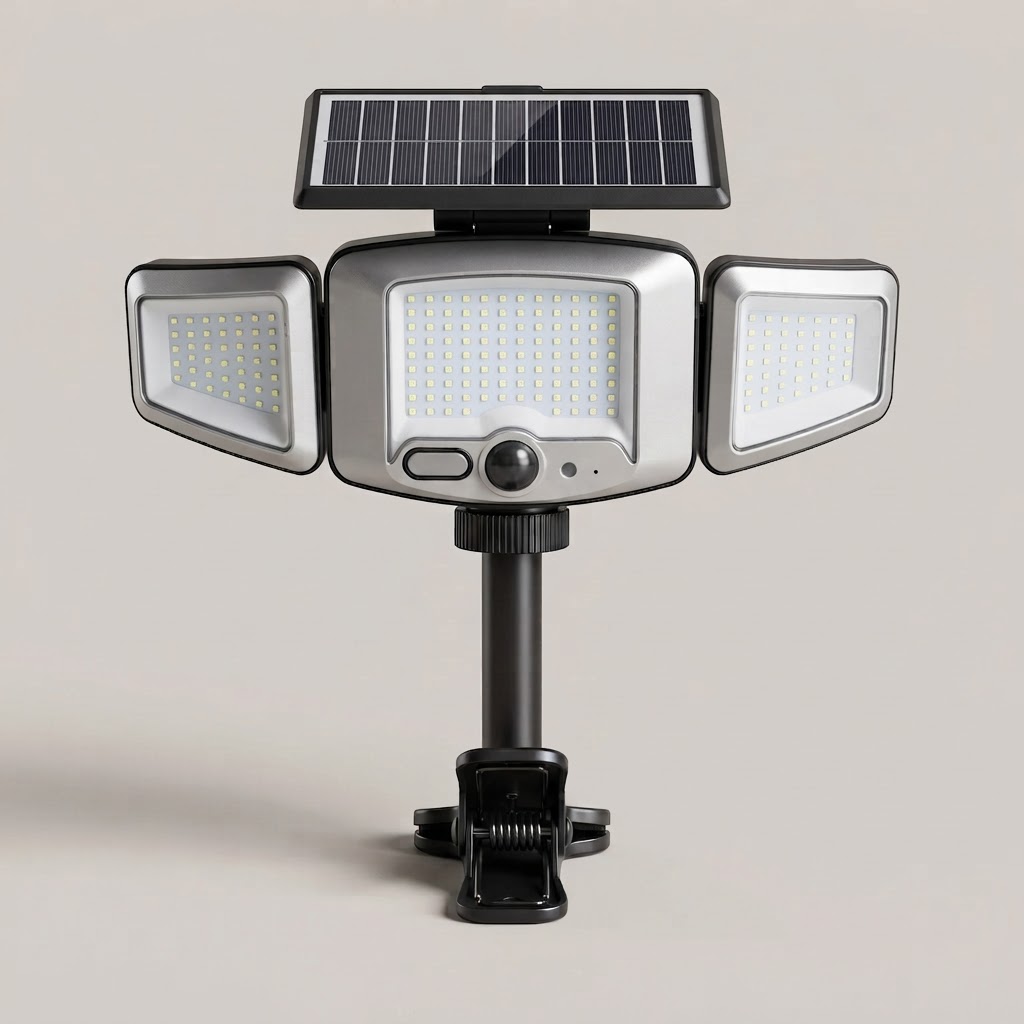
Traditional battery lights often leave you without outdoor lighting when batteries die unexpectedly. Solar systems continuously replenish energy during daylight hours. However, standard solar lights can struggle during dark winter months or in deeply shaded yards.
To balance both needs, modern fixtures like the Solar Motion Sensor Flood Light offer hybrid flexibility. Featuring dual charging: 6-8 hrs solar or 3-4 hrs USB fast charge, you enjoy free solar power with the option to quickly charge via USB indoors during stormy weeks.
Runtime and Reliability in Shaded Yards
When evaluating energy storage, a internal 2000mAh battery runs 6-8 hours of continuous light on one charge. When combined with motion detection modes, a single solar charge can power your yard security light for weeks.
For a full breakdown on placement strategy, visit [the main guide] on wireless yard lighting.
Hybrid Solutions: Dual-Charging Lights
Hybrid systems combine the low maintenance of solar power with the quick boost of USB fast charging. Paired with a tool-free spring clamp - no drilling, no screws, no cracked siding, these lights can be unclipped, fast-charged via USB in 3-4 hours, and clamped back into place without tools.
Final Verdict
Hybrid solar lights with USB topping capabilities clearly outperform single-source battery lights in both convenience and long-term cost savings. Look for units rated with 1000 lumens to ensure your yard gets adequate total brightness.
Read the full guide: How to Light a Backyard Without Wiring: The Complete No-Drill Guide